

In this video we give our honest take on whether Amazon FBA is still worth it in 2026 or whether it has become too competitive, too expensive, or too saturated. We have been working with Amazon sellers for over thirteen years and a lot has changed in that time, from fees and competition to customer expectations. The opportunity is still there, but only if you approach it in the right way. Watch the video for the full breakdown and use this summary to get the key points.
What has changed with FBA
When we first started on Amazon, FBA was a big advantage. Amazon handled logistics and most sellers could focus on selling. In 2026, FBA is no longer a differentiator. It is the standard. Every serious seller is using it. That brings clear benefits like Prime eligibility, fast shipping, strong customer trust, and simple returns. But it also comes with higher fees, stricter rules, and far less tolerance for mistakes. The question now is not whether FBA works, but whether you can make it work profitably.
The challenges sellers face now
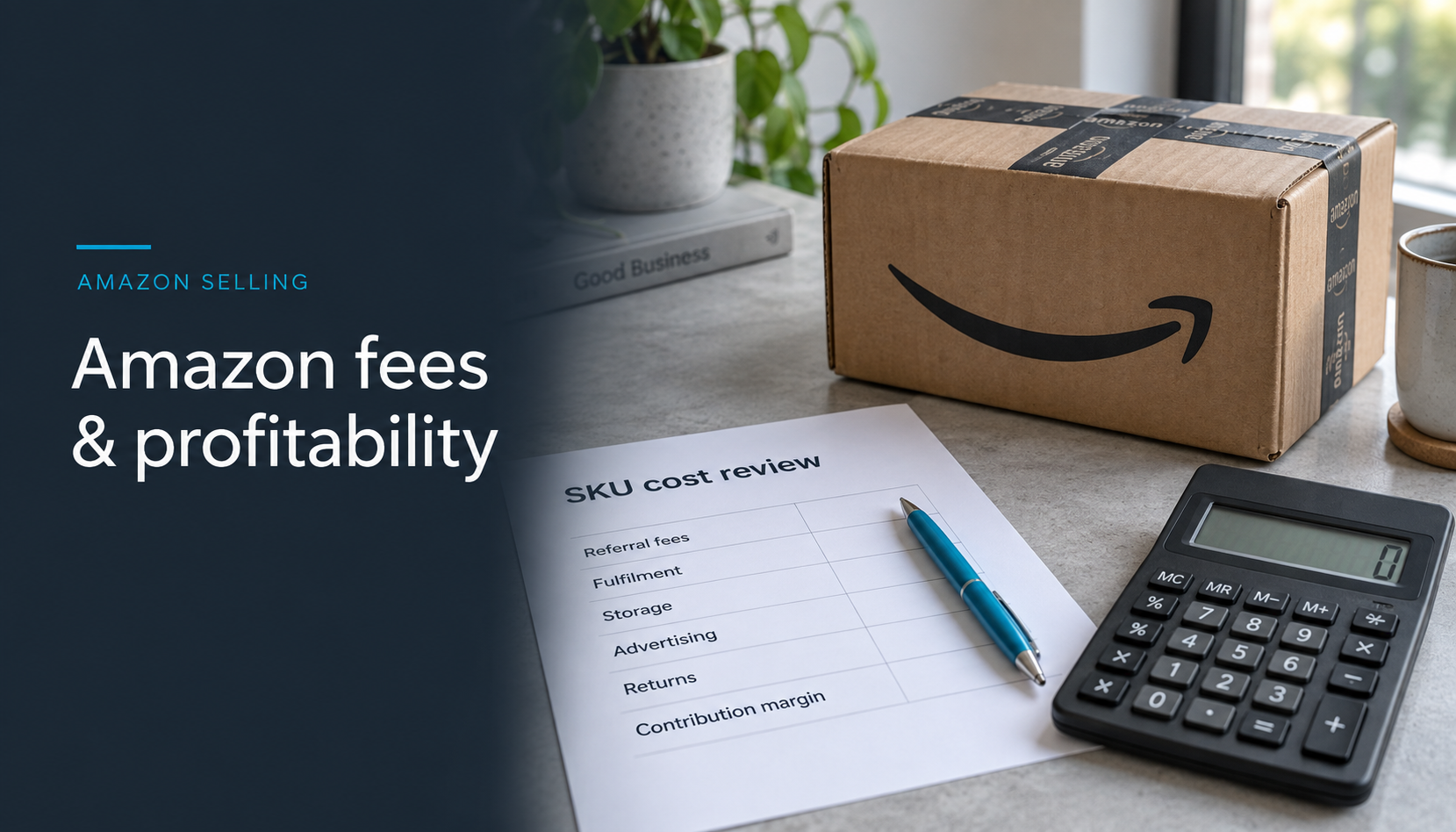
There is no point pretending it has not got harder. Fulfilment, storage, removal, and long term storage fees have all increased. Slow moving stock gets punished quickly. Competition is higher, especially from manufacturers, established brands, and aggregators. Listing quality matters far more than it used to, from images and copy to reviews and branding. For UK sellers, there is also more complexity around VAT, cross border selling, and policy changes. There are more hoops to jump through than ever before.
Why the opportunity still exists
This is the part many people miss. FBA still converts better because customers trust it. The Prime badge still plays a huge role in buying decisions and shoppers consistently choose FBA listings over merchant fulfilled ones. FBA also still allows sellers to scale without building warehouses or hiring large teams. Programs like Pan European FBA continue to open access to wider markets without needing extra infrastructure. There is still strong niche potential too, but finding it now requires proper data, patience, and solid branding rather than guesswork.
Who FBA is still right for
FBA still makes sense if you are prepared to invest in proper product research and branding, and if your margins work after fees and ads. Ideally you want to be sitting around twenty to thirty percent with room to reinvest. It also suits sellers who are prepared to play the long game. This is not quick money. It is not right for sellers chasing generic products, skipping differentiation, or avoiding learning areas like PPC, optimisation, compliance, and conversion rate improvement. Amazon FBA is not a lottery ticket. It is a customer acquisition channel that takes work.
The mindset shift that matters most
The biggest shift we talk about is how you think about Amazon. Treat it like a brand platform and use FBA as a customer acquisition strategy, not just a marketplace. Build listings like landing pages. Invest in brand registry, A plus content, and video. Think long term about repeat purchases, cross selling, and trust. When you approach it with systems and patience, FBA can still take you to six or seven figures because trust drives conversions more than anything else.
Final verdict
FBA in 2026 comes with higher fees, tougher competition, and more complexity. But it also still offers scalability, global reach, and customer trust. If your margins work and you approach it properly, it is still a powerful growth engine. Audit your numbers carefully and be honest about your strategy. My verdict is simple. Amazon FBA is still worth it in 2026, but only if you build it the right way.
If this video helped, watch the full version above and let me know in the comments whether you think FBA is getting better or worse.